Why This Checklist Exists
Frozen pipes, cracked fittings, and dead batteries are expensive and preventable. If you store your RV for winter — or even just let it sit for a few cold weeks — you need to winterize it properly. This checklist covers everything. Print it out and work through it.
Water System
This is where most winter damage happens. Water expands when it freezes. Anything with water in it can crack.
- Drain the fresh water tank completely. Open the low-point drain valves (usually under the RV, one for hot, one for cold).
- Drain the water heater. Turn it off, let it cool, open the drain plug and the pressure relief valve. Do not skip the relief valve — it lets air in so the tank actually drains.
- Bypass the water heater. Your RV should have a bypass valve kit. If it does not, install one — otherwise you are pumping 6-10 gallons of antifreeze into the water heater for no reason.
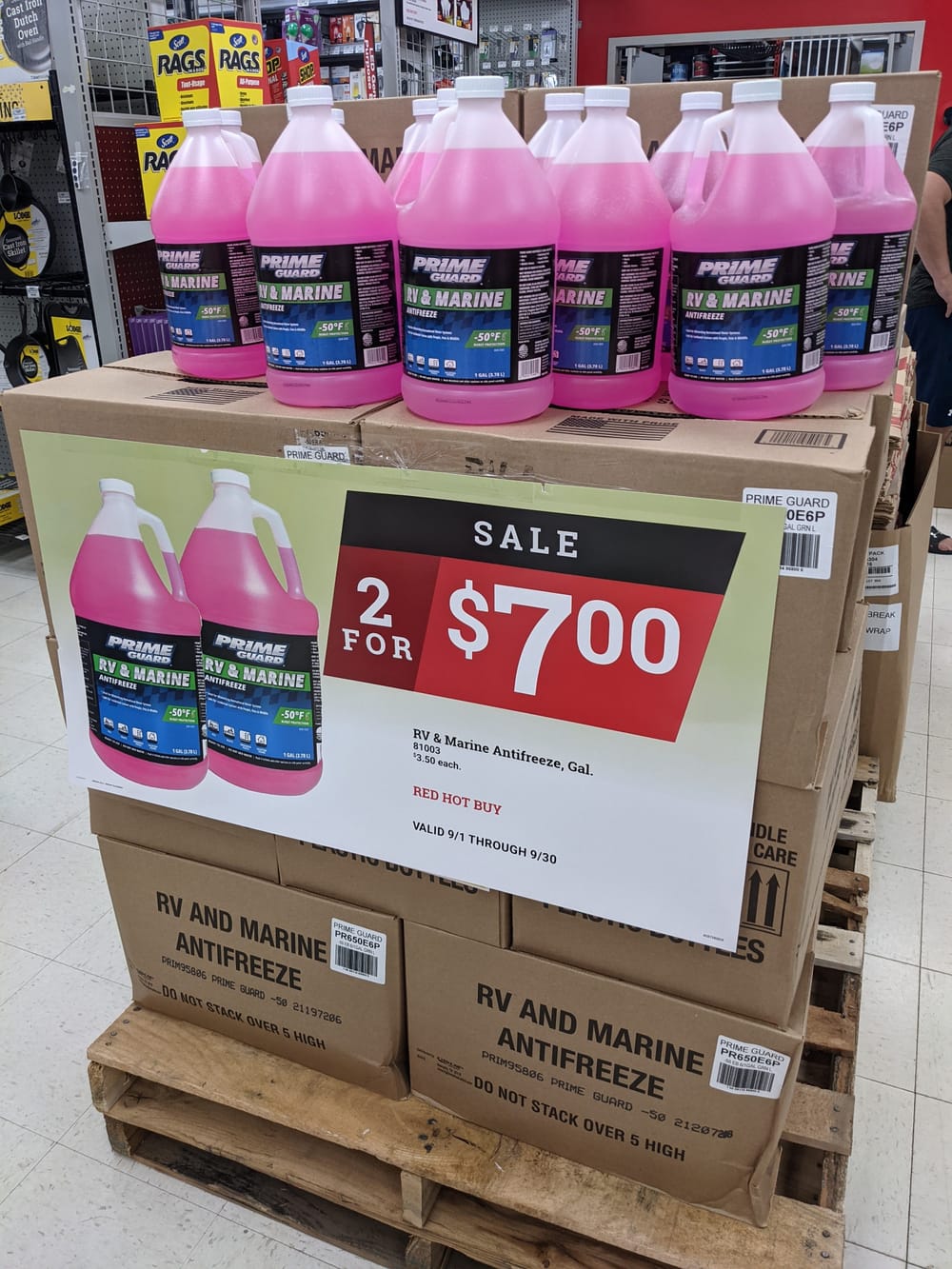
- Pump RV antifreeze through the system. Connect the water pump inlet to a jug of non-toxic RV antifreeze. Run every faucet (hot and cold), the shower, the outdoor shower, and the toilet until you see pink coming out.
- Pour antifreeze down every drain. About half a cup in each sink, shower, and the toilet bowl. This protects the P-traps.
- Leave low-point drains open. Any residual water can drip out instead of freezing in the lines.
Waste System
- Dump and flush both tanks. Black tank first, then gray. Use a tank rinser if you have one.
- Leave the valves closed after dumping. You do not want critters climbing in through an open waste pipe.
- Add a cup of RV antifreeze to each tank through the toilet (black) and a sink drain (gray). This protects the valve seals and any residual water in the tanks.
If your waste valve is already showing wear, replace it before winter storage
Batteries
- Fully charge the battery bank before storage. A half-charged battery freezes at a much higher temperature than a full one. Lithium batteries should be stored at 50-80% charge per manufacturer recommendations.
- Disconnect the batteries or turn off the main disconnect switch. Parasitic draws (LP detectors, control boards) will slowly kill your batteries over winter.
- If storing lead-acid batteries, check water levels and top off with distilled water. Consider a maintenance charger if you have shore power available at your storage location.
- For lithium banks: Most lithium batteries have a low-temperature cutoff that prevents charging below freezing. Do not try to charge a lithium battery below 32°F — you will permanently damage the cells. If your storage location gets below freezing, bring the batteries inside or use heated battery blankets.
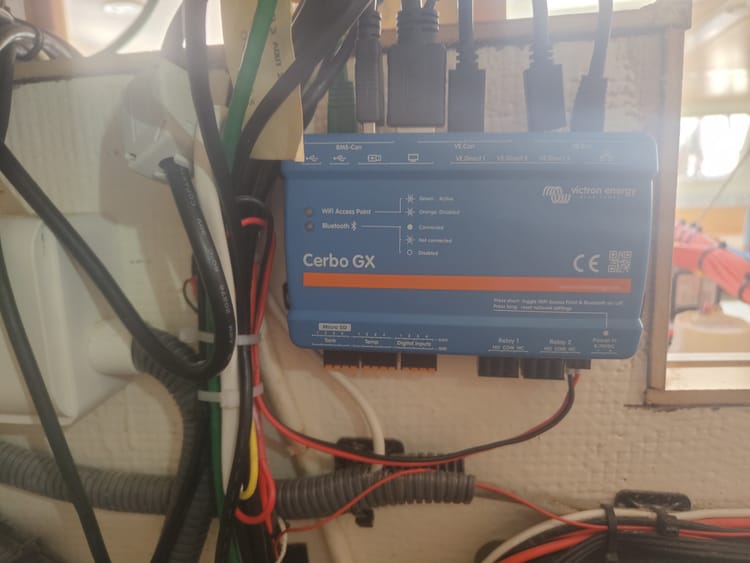
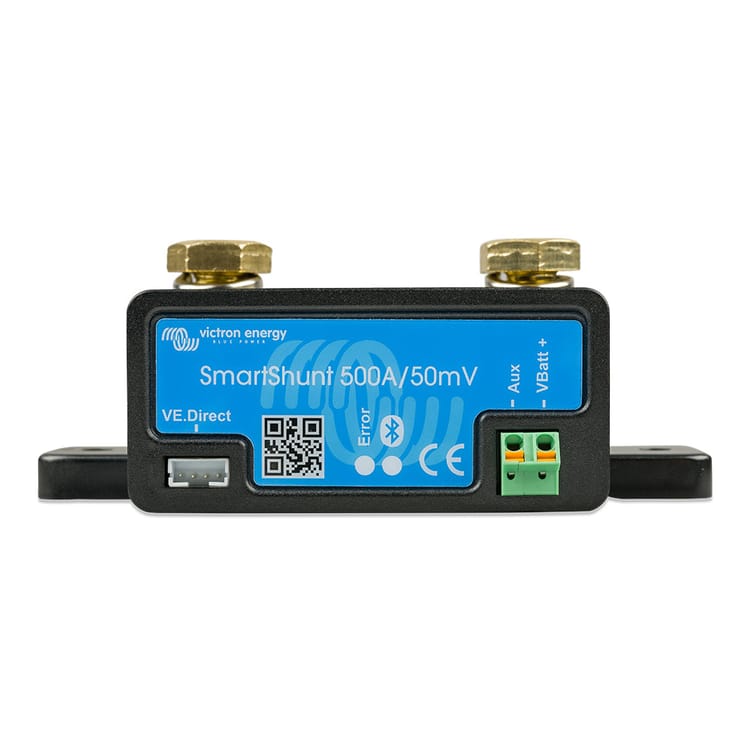
More on battery monitoring and maintenance
Exterior
- Inspect and reseal the roof. Check every seam, vent, and antenna mount for cracks in the sealant. Dicor self-leveling lap sealant is the standard for RV roofs. One tube and 30 minutes can prevent thousands in water damage.
- Clean and treat slide seals. Wipe down the slide-out seals and apply a rubber seal conditioner. Dry, cracked seals let water in.
- Cover or close vents. Vent covers keep rain and snow out. If you do not have covers, close the vents and consider foam vent insulators.
- Check tire pressure and consider tire covers. UV degrades sidewalls over months of sun exposure. Inflate to the sidewall maximum for storage — they will lose pressure slowly over winter.
Interior
- Clean out all food. Everything. Canned goods can freeze and burst.
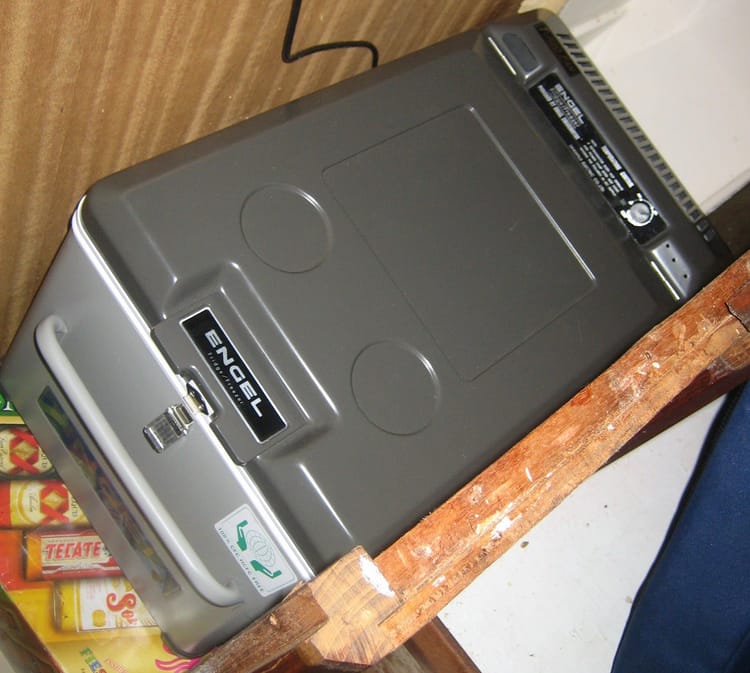
- Leave cabinet and fridge doors open. Air circulation prevents mold and mildew.
- Place moisture absorbers (DampRid or similar) in the main cabin, bathroom, and any enclosed spaces.
- Turn off the LP gas at the tank valve.
Spring De-Winterization
When you bring it back in spring: flush the antifreeze by running fresh water through every fixture until it runs clear, sanitize the fresh water system with a dilute bleach solution (1/4 cup per 15 gallons), fill and drain twice, then refill with fresh water. Check every connection for leaks before your first trip.