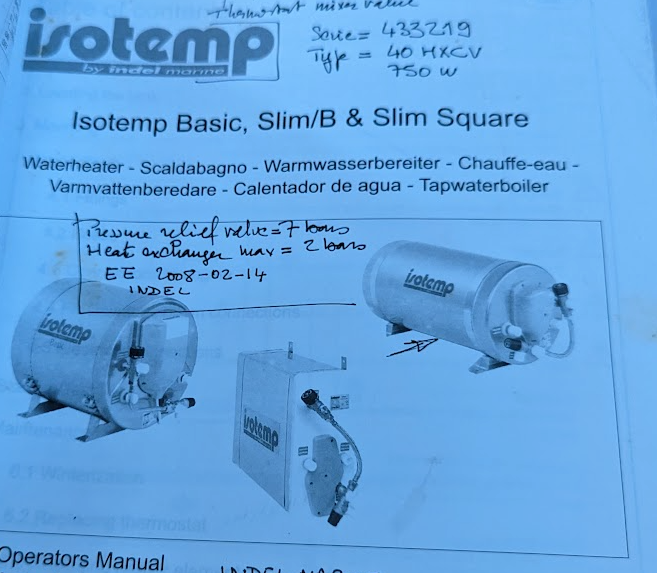
The boat is in the tropics and we don't have air conditioning — but we still like a hot-ish shower at night. On our boat there are four ways to get one:
- Plug into shore power
- Run the generator
- Run the engine ~20 minutes (the coolant loop runs through the water heater)
- Power the heater from the inverter — which boats are correctly wired not to do on battery
Here's how those options actually looked for us. We didn't touch a dock from November 2023 through the end of May 2024, so no shore power. Our generator has never worked properly, so no generator. The inverter was wired (correctly) to keep heavy loads off battery power, and we were on battery 100% of the time. That left the engine — which sits directly under Olivia's bed, and running a diesel just to make shower water never felt good. So for the first stretch of the cruise, hot water was hit or miss.
The realization: we had power to burn
Then the clouds parted — in my head, anyway. On plenty of days we had significant surplus solar. The batteries would be full by early afternoon and the panels would spend the rest of the day doing nothing. What if the water heater could soak up that surplus?
The first plan was crude: rewire the heater to run off the inverter like the other AC loads, and add a manual switch to flip on when there was power to spare.
The better answer was already aboard
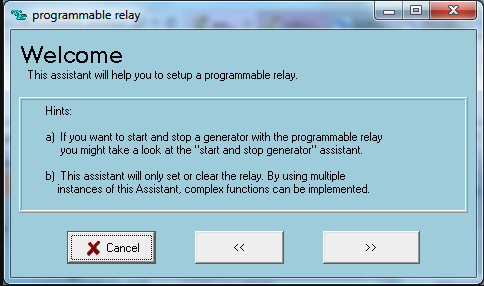
Reading the Victron manual, I hit the section on programmable switches via VEConfigure Assistants — rules that can switch a load based on triggers like battery state of charge. The plan rewrote itself:
- Create a rule on the inverter that turns the water heater load on and off
- Trigger it on battery state of charge
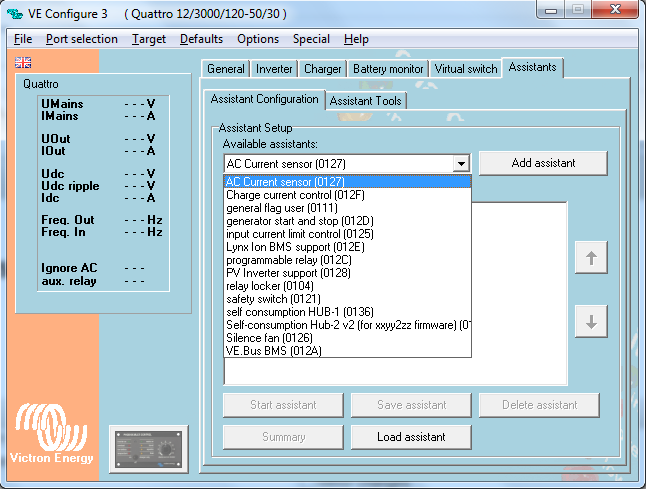
I didn't have the cable to connect to the inverter — but it turns out you don't need one. Configuration can be changed through the VRM online portal by downloading the config file, editing it, and uploading it back. I had real apprehensions about doing that to the key component of the boat's electrical system. I held my breath and uploaded. The whole boat shut down… and a minute later everything came back online, working.
Dialing in the trigger
The strategy: heater on at 93% state of charge, off below 90%. Even if the sun vanished the moment it kicked on, we were only ever risking 3% of the bank for warm water.
First day, we all watched the SOC climb. It hit 93% and… nothing. The gotcha: the boat's display rounds — it showed 93% while the actual SOC was 92.7%. A little later the real number crossed 93%, and within seconds the AC load jumped almost 1,800 watts. That's the sound of shower water heating.
It has run perfectly ever since, and cold showers have been rare.
Gear in this build
The whole trick runs on Victron gear you may already have aboard — no new hardware:
- Victron MultiPlus — the inverter/charger whose programmable switch does the work; match voltage/VA to your system
- Victron Cerbo GX — where you watch state of charge; our setup guide gets you there
Configuration happens for free through the VRM portal — no cable, no dongle. New to Home Assistant? Our setup guide for boats and RVs covers the install and the first automations worth doing — this one included.