There are easy, off-the-shelf ways to automate an anchor light: a new housing or bulb with a photocell. Both mean going up the mast, and both are decently pricey. We took the path less traveled — and ended up with something better.
The detour: fancy marine hardware
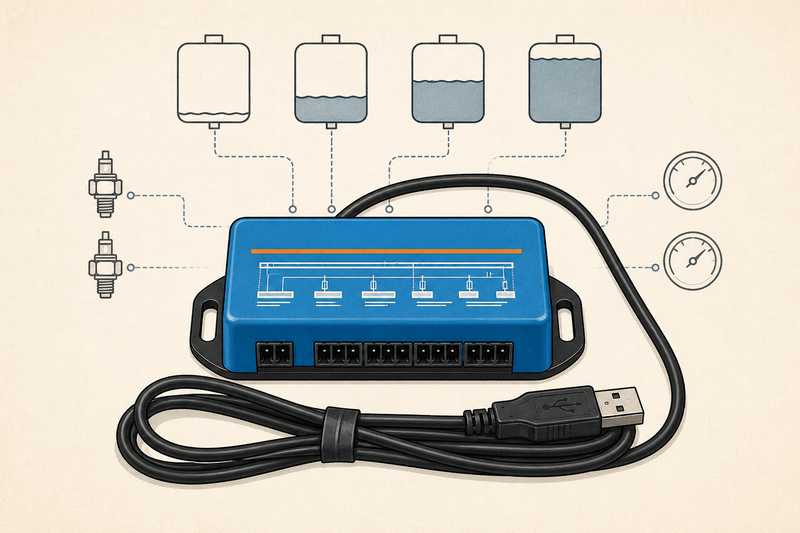
Back on land our house has been "smart" for years — we've been through most of the protocols (Z-Wave, Zigbee, BLE, LoRaWAN) and most of the hubs (SmartThings, Wink, Crestron, openHAB, Home Assistant). The original plan for our boat was proprietary CZone gear, bought used on eBay and shipped to Grenada.
A couple of hours into the CZone software told the real story: automating one light circuit would mean rewiring a big chunk of the distribution panel, making the physical switch inoperable without even more rewiring — and the simple CZone module we'd planned to use has no internal clock, so it can't even know when sunset is. We paused before rewiring anything. Good call.
The fix: one $20 relay
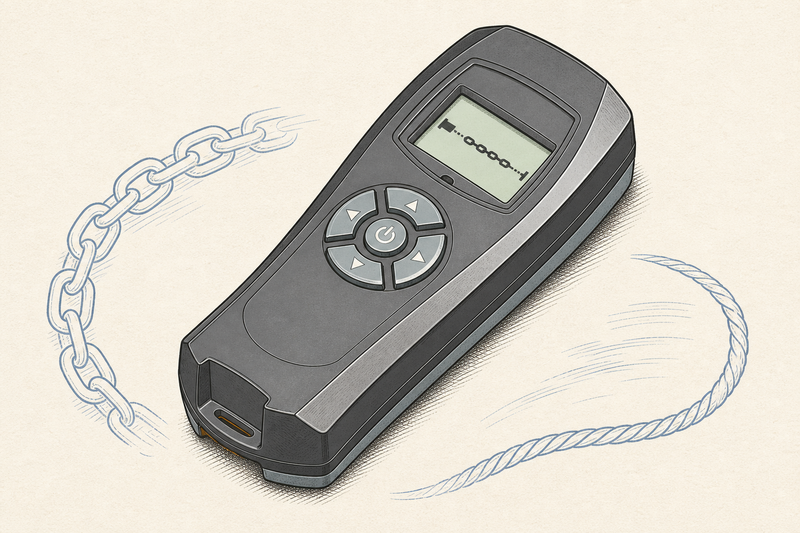
A Raspberry Pi we'd shipped out as a navigation backup was sitting unused. Two Amazon purchases later (a Zigbee/Z-Wave USB adapter and a Shelly relay rated for DC loads), we had everything — and only needed one of the two, since the Shelly speaks Wi-Fi on its own.
Five minutes of wiring put the Shelly in as a bypass alongside the physical anchor-light switch — the panel switch still works exactly as before. That alone gave us app control. Installing Home Assistant on the Pi and adopting the Shelly took it the rest of the way: an automation that turns the light on at sunset and off at sunrise, every night, without a thought. Connecting to Nabu Casa added remote access.
The payoff
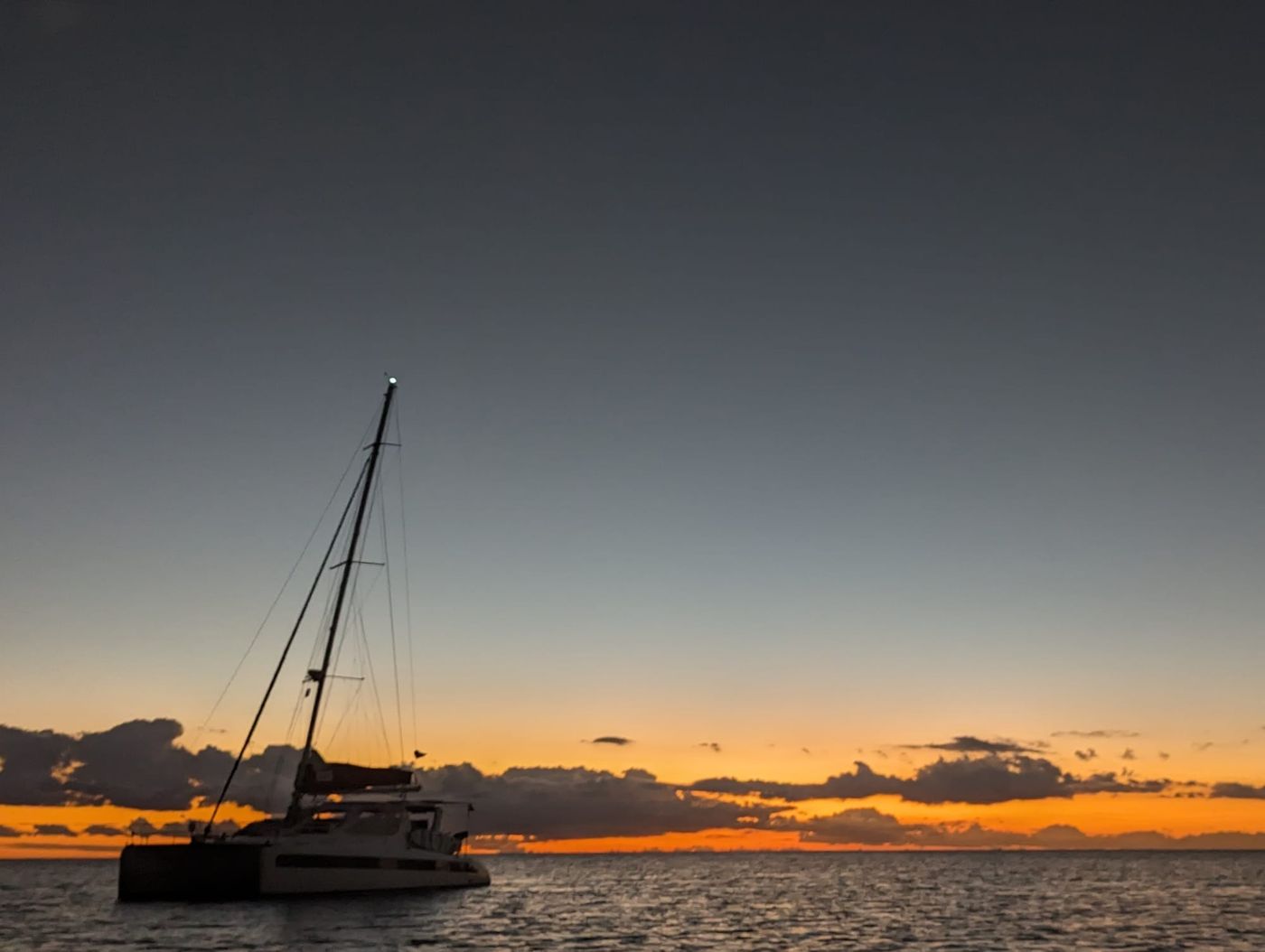
There was real joy in checking from shore that the anchor light was, in fact, on. But the most satisfying moment was hopping in the dinghy at night in the crowded harbor at Charlotte Amalie and toggling the light on and off from a phone to find which towering mast was ours in the inky dark.
The anchor light was the first win, not the last — temperature tags and local weather came next, NMEA 2000 data and more automations are on the list. If you want to go deeper, the best resource we found on boat automation is boathackers.com.
Gear in this build
- Shelly Plus 1 (DC-rated relay) — the Wi-Fi relay that switches the light
- Raspberry Pi 4 — runs Home Assistant aboard
- Home Assistant — the free, open-source brain behind the sunset/sunrise rule
If you don't run Home Assistant yet, this is a perfect first project — our setup guide for boats and RVs gets you from zero to exactly here.