We installed a pair of Sony XS-MP1611 marine speakers on the boat in 2023. They were the easy choice — a name brand, sold specifically as marine speakers, "marine certified" right on the box. When a company the size of Sony puts "marine" on the label, you assume it will shrug off salt air and sun. That's the entire reason you pay for the marine version.
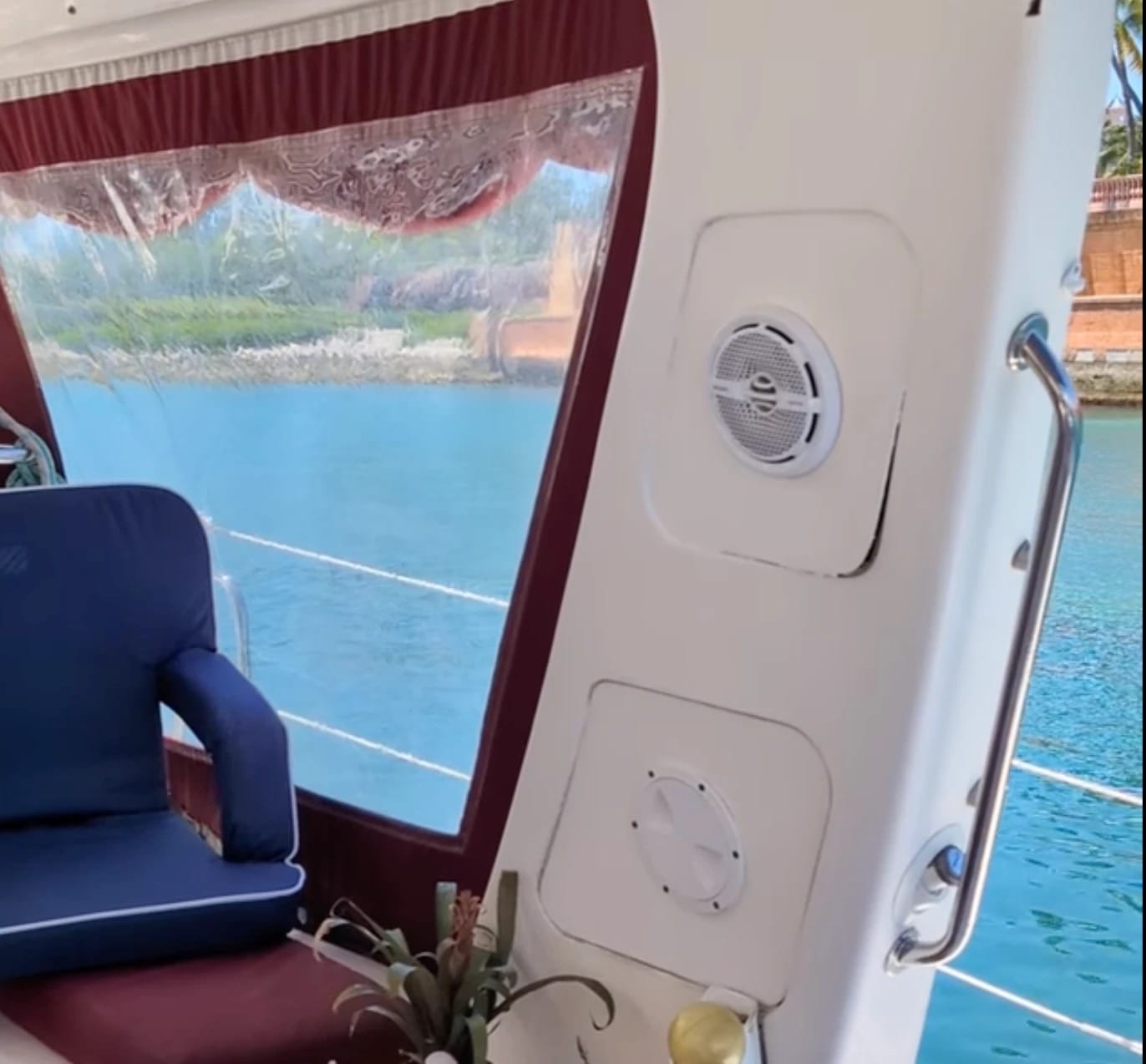
This season we found the cones had completely fallen apart. Deteriorated, crumbling, done. Not blown, not water-logged — the cones themselves broke down. The speakers don't work, and there is nothing to fix.
What "marine" is supposed to buy you
A marine speaker costs more because it's built to survive the thing that kills normal speakers outdoors: UV, salt, humidity, heat. The cone, the surround, the adhesives — all of it chosen to hold up on the water for years. That is the product. That's what the word on the box is promising. Ours delivered barely a year and a half of real use before the cones disintegrated. For a speaker whose one job is to outlast the marine environment, that's a plain failure.
The part that failed was the part that matters
This wasn't water in the wiring or a corroded terminal. The cones — the part doing the actual work — crumbled. That's exactly the failure a marine rating exists to prevent. Sun and salt eat cheap cone materials alive; whatever Sony used here didn't resist them.
Why this one stings
A no-name speaker dying fast, we'd understand. The frustrating part is we did the responsible thing: recognized brand, paid for the version explicitly labeled for marine use, and still ended up with junk in under two seasons. The marine label did its marketing job and not much else.
What we're looking for in a replacement
- Cone and surround material. UV-treated polypropylene or composite cones with rubber surrounds, not paper or foam — the exact part that died on ours.
- A real IP rating, not just the word "marine." An ingress-protection number is something a manufacturer has to stand behind. A word on a box is not.
- Where they mount. Even good speakers last longer out of direct sun — use an overhang or covers if you can.
- Brands that live or die on marine gear. A marine-audio company has more to lose from crumbling cones than one for which marine is a rounding error.
The bottom line
A marine label and a trusted name, and the cones still fell apart after eighteen months on the water. We can't recommend them, and we're shopping for something actually built to survive the environment it's sold for.
- Looked and worked fine when new — for about 18 months
- Cones completely deteriorated by this season
- “Marine certified” on the box guaranteed nothing
- Bought 2023, dead by 2026
The speakers we're warning you about — Sony XS-MP1611 on Amazon