RV Waste Valves: Why the Twis-Loc Outlasts Everything Else
The Disposable Valve Problem
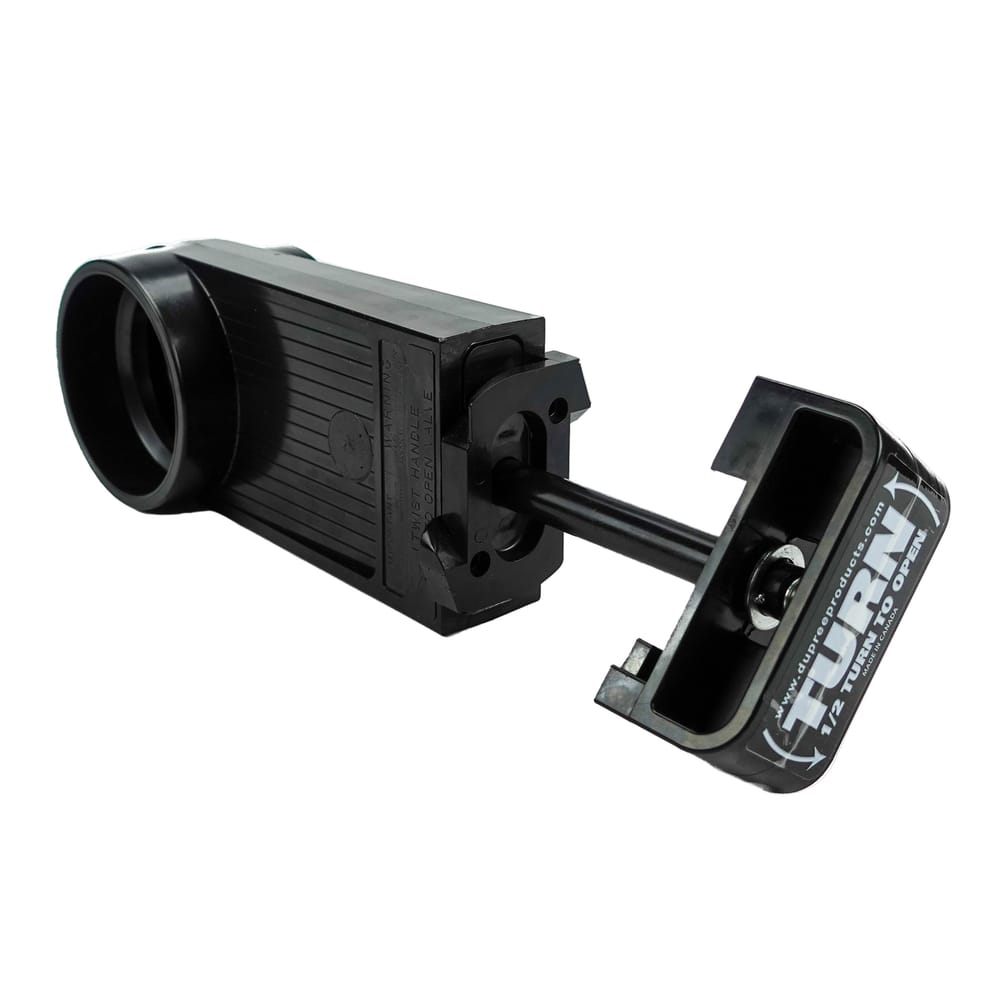
Every RV waste valve is a gate valve -- a flat blade that slides across the pipe to open and close the flow. The Twis-Loc is a gate valve. The Valterra is a gate valve. They all work the same basic way.
The difference is not the mechanism. It is what happens when the seal wears out.
Most Waste Valves Are Disposable
The typical RV waste valve from Valterra or similar costs $15-40. When the seal wears, the blade sticks, or it starts leaking -- and it will, usually within 2-5 years -- you throw the entire valve away and install a new one. That means:
- Disconnecting the plumbing on both sides of the valve
- Removing the old valve body
- Cleaning fittings, re-taping threads
- Installing the new valve and testing for leaks
- On some rigs, this means dropping the entire tank
It is a 1-3 hour job depending on access, and it is one of the least pleasant maintenance tasks on an RV. Most people put it off until the valve is actively leaking on the ground.
The Twis-Loc: Built to Be Maintained, Not Replaced
The Twis-Loc valve (originally the Owens Valve, designed in 1964) takes a completely different approach. The valve body is permanent. When the seal wears out -- and eventually any seal will -- you do not replace the valve. You replace just the seal.
The process takes about five minutes:
- Remove two screws from the top cap
- Pull out the old seal
- Drop in the new seal ($25)
- Put the two screws back in
No plumbing disconnection. No pipe wrenches. No Teflon tape. No tank dropping. The valve body stays connected to your waste system the entire time.
50 Years and Counting
This is not theoretical. There are motorhomes from the 1970s still running their original Twis-Loc valve bodies. Airstream, Newell, Blue Bird, SilverStreak -- these manufacturers installed Twis-Loc valves from the factory because they knew the coaches would outlast any disposable valve.
The valve body is the same one that was installed 50 years ago. The only thing that gets replaced is the rubber seal, and that is a five-minute job with a $25 part.
Think about that compared to throwing away and reinstalling a complete valve every 3-4 years.
Cost Over Time
| Over 10 Years | Disposable Valve | Twis-Loc |
|---|---|---|
| Parts cost | $60-120 (2-3 replacements) | $25-50 (1-2 seal swaps) |
| Labor time | 3-9 hours total | 10 minutes total |
| Plumbing disconnection | Every time | Never |
| Risk of fitting damage | Every replacement | None |
Pneumatic Option
The Twis-Loc also comes in a pneumatic version ($195) that adds an air cylinder to the same valve body. Press a button inside the RV and the valve opens/closes -- no reaching under the coach. You need an air supply (12V compressor or existing air system) and a solenoid ($65-75).
Same maintainability -- the seal swap is the same two-screw process whether you have the manual or pneumatic version.
The Bottom Line
All RV waste valves are gate valves. The question is not plug vs gate -- it is disposable vs maintainable. Do you want to throw away and replumb the entire valve every few years, or do you want to drop in a $25 seal in five minutes and keep the same valve body for decades?
If you are replacing a waste valve anyway, the Twis-Loc is worth the slightly higher upfront cost. And if you already have one, keep a spare seal on hand. It is the easiest maintenance job on your RV.