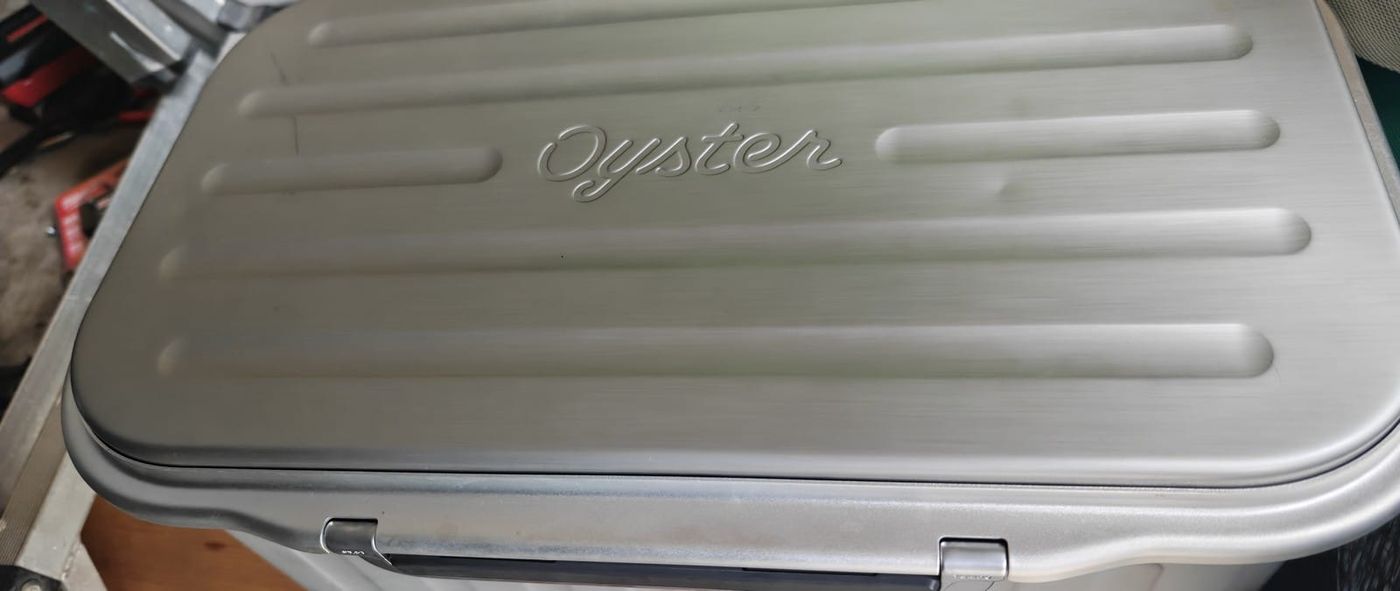
We don't usually care what a cooler looks like. A cooler's job is to be cold, stay shut, and survive being stood on. But the Oyster Tempo made us care. It's a $500-plus vacuum-insulated aluminum box, and without fail, the first thing anyone says at the dinghy dock is some version of: "Wait — that's a cooler?"
It is. And it's the best-looking one ever made — brushed aluminum, machined latches, a lid that sits perfectly flush. It looks less like camping gear and more like something that escaped a design museum. We love it. We also can't, in good conscience, just tell you to buy one. This one's complicated, so let's walk through the good, the bad, and the expensive.
A masterclass in industrial design
Get the obvious out of the way: it's breathtaking. Next to the Tempo, high-end rotomolded coolers look like oversized toy chests. If aesthetic cohesion in your kit matters to you at all, nothing else in the cooler world is in the same conversation.
It actually performs
It's not just eye candy. The double-wall vacuum insulation is the real deal: because it doesn't need thick foam walls, the Tempo holds temperature better than any traditional cooler we've tested — Yeti and RTIC included — from a body half as thick. That also means far more interior volume per exterior inch than any rotomolded box.
Oyster markets it as a "no ice necessary" cooler, built around frozen packs. We wouldn't go that far for a multi-day heatwave, but loaded with pre-chilled provisions it kept things cold through three-day passages without complaint. On raw performance, it pulls its weight.
The real-world quirks
A season aboard turned up two head-scratchers:
- No drain plug. You'll end up tossing real ice in eventually — it's human nature — and when it melts, the only way to empty the water is to pick the whole cooler up and pour. Minor on paper, genuinely annoying in practice, and a bizarre omission at this price.
- The double-edged lid. It opens from either side, which is great in a tight cockpit. But because it's fully removable, it detaches easily — convenient right up until it pops off in your hands when you just wanted a soda. You learn to handle it gently.
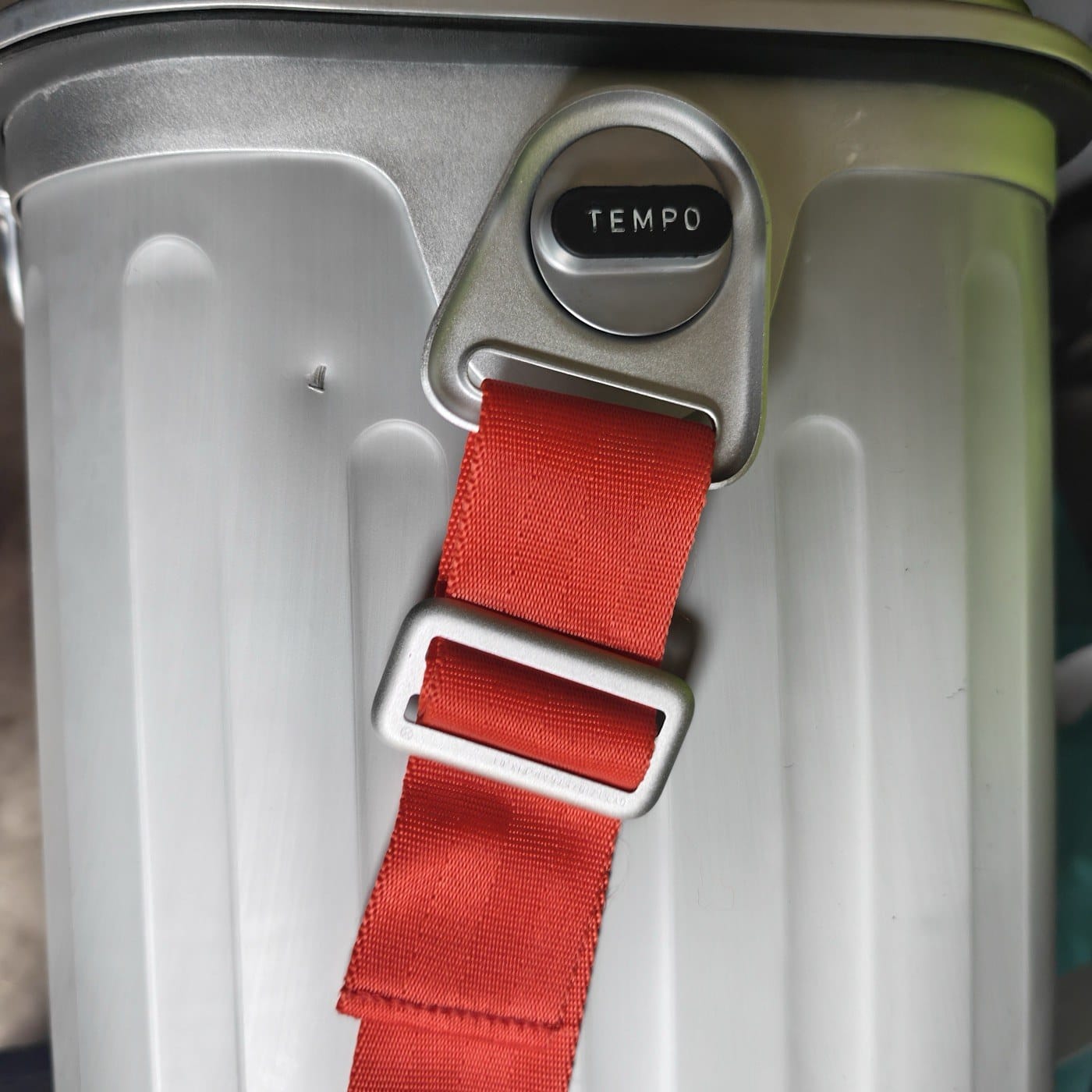
And one more from life aboard: aluminum dents, and stays dented. There's no polymer forgiveness here. On a boat, that first ding is a matter of when.
The $500 elephant in the room
Here's where the recommendation gets tricky. It's simply too expensive for what it is — not by a little, by a lot. It works brilliantly, it insulates better than anything else we own, and nobody needs to spend half a grand to keep a 12-pack cold on a Saturday.
Think of the $40 Yeti tumbler. A $15 cup holds your coffee just as warm — millions of people happily pay the premium for the fit-and-finish anyway. The Tempo is that exact same splurge, except the gap isn't $25. It's several hundred dollars.
The bottom line
The Oyster Tempo is a brilliant, functional piece of art that happens to keep your food ice-cold — sitting right on the outer edge of what a reasonable person can pay for a cooler.
- If you want a gorgeous object and the price doesn't make your eyes water: you'll love it. We do.
- If you want the smart-money buy: a mid-tier rotomolded cooler keeps groceries just as cold at a fraction of the price, with no paranoia about scratches.
- If you're on a boat or in an RV: a dedicated 12V compressor fridge sidesteps the whole ice-and-meltwater problem for similar money.
- Yeti-class ice retention from a body half as thick
- More interior volume per exterior inch than any rotomolded box
- Machined latches and aluminum shell — a genuinely beautiful object
- No drain plug — lift and pour
- Aluminum dents and stays dented
- Not worth it for most people
All three are valid. Just know which buyer you are before you hit "add to cart."